

Men’s health compared to women’s health and the process of improving well-being through healthy nutrition

Differences Between Men and Women in Health and Life Expectancy
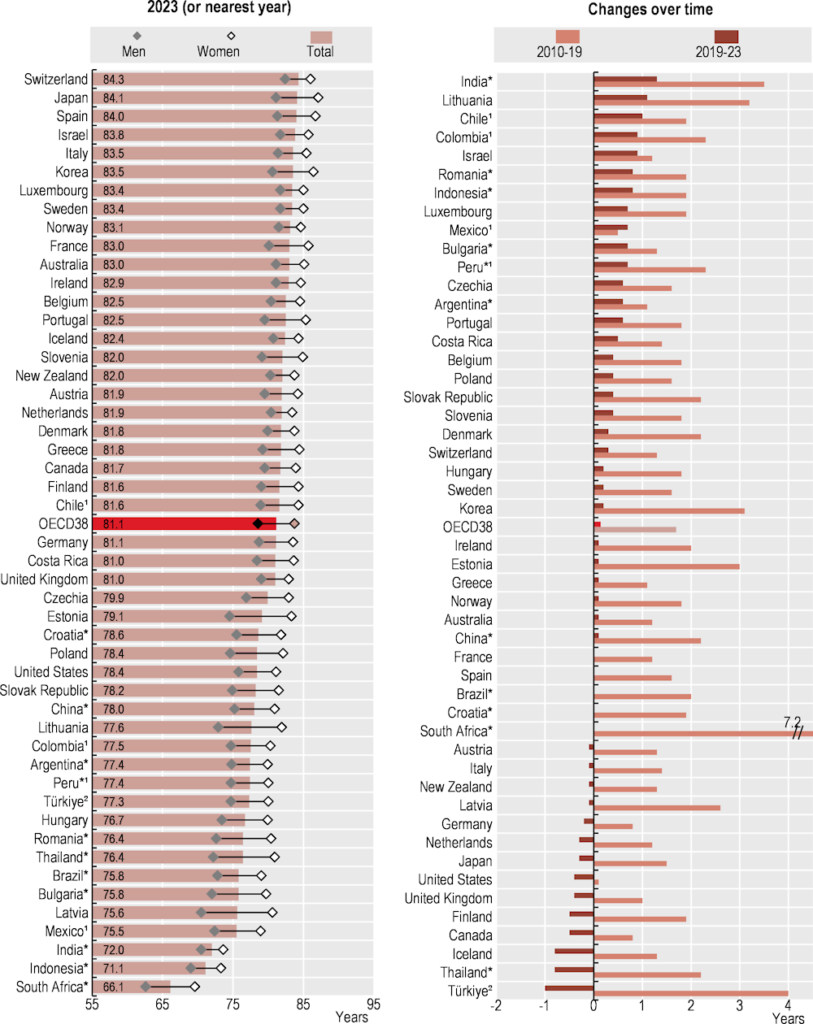
According to a recent OECD report (covering developed countries and some others), women live longer than men in almost all countries. In 2023, average life expectancy at birth in OECD countries was approximately 83.7 years for women and 78.5 years for men, representing a gap of about 5.2 years
However, this gap varies across countries. In some nations, the difference is relatively small (around 3 years), while in others it is much larger (up to 8–10 years)
Research also shows that men have a higher risk of death across all age groups. This higher mortality among men is attributed to several factors, including chronic diseases (such as cardiovascular conditions, cancer, respiratory or liver diseases), accidents (traffic accidents and violence), suicide, and other causes
For example, when looking at Potential Years of Life Lost (PYLL) before the age of 75, the figure for men is nearly twice that of women, indicating that men are far more likely to die prematurely
On the other hand, although women tend to live longer, studies indicate that they spend more years of their lives with health limitations, such as disabilities, chronic illnesses, mobility problems, or musculoskeletal pain

Why Do These Differences Exist Between Men’s and Women’s Health
Key Contributing Factors
Several important factors help explain the differences in health outcomes and life expectancy between men and women
Behavior and lifestyle: Men are more likely to engage in high-risk behaviors, such as dangerous driving, higher consumption of cigarettes or alcohol, and working in hazardous occupations. These behaviors increase the risk of accidents, burns, and chronic conditions such as lung and heart diseases.
Healthcare utilization and doctor visits: In many countries, men are less likely than women to seek preventive care or visit a doctor regularly. As a result, diseases are often diagnosed at later stages.
Biological factors: Certain biological differences—such as the effects of hormones, immune system responses, and differences in body structure and metabolism—can also play a significant role
Chart of life expectancy at birth (2023 or the closest year) and its changes over time (2010–2019 and 2019–2023)
Key Finding
Women live longer, but men’s health is more vulnerable at younger ages
Men, on average, have shorter lifespans and are more at risk of premature death
However, women although they live longer spend more years with illness or disability
Therefore,living longer does not necessarily mean living more healthy years
💡 Note for developing countries (such as Iran)
In countries with limited access to healthcare or higher maternal mortality rates, the gap between men and women may differ; women may not always live longer. However, in most developed and developing countries, the general pattern is that women tend to have longer lifespans
| Indicator / Measure | Men | Women | Notes / Explanation |
|---|---|---|---|
| Life expectancy at birth (OECD, 2023) | ≈ 78.5 years | ≈ 83.7 years | Difference ~ 5.2 years (OECD) |
| Potential Years of Life Lost (before age 75) | Approximately twice that of women | – | Men are more likely to die prematurely (OECD) |
| Years lived with activity limitations (after age 60) | ~ 5.0 years | ~ 6.3 years | Women spend more years with physical disability (OECD) |
| Causes of premature death in men | Accidents, suicide, cardiovascular/cancer/respiratory diseases | In women: cancer more common | Men are more often affected by preventable causes (OECD + Mehr News) |

In recent years, reputable studies have shown that dietary choices play a crucial role in improving overall health and preventing diseases. Research published by the Harvard School of Public Health and the World Health Organization (WHO) emphasizes that regular consumption of fruits, vegetables, whole grains, nuts, and legumes can reduce the risk of heart disease, type 2 diabetes, chronic inflammation, and even certain cancers. These foods are rich in fiber, antioxidants, vitamins, and essential minerals, which help improve immune system function, regulate blood sugar, support digestive health, and maintain a healthy weight. Studies also indicate that increasing the intake of plant-based foods while reducing processed foods, trans fats, and added sugars has a direct impact on lifespan and quality of life
Moreover, research published in the American Journal of Clinical Nutrition and by the National Institutes of Health (NIH) shows that certain specific foods can have a particularly protective role. For example, regular consumption of fatty fish such as salmon and sardines, due to their omega-3 fatty acids, helps reduce inflammation and support heart health. Additionally, fermented foods like probiotic yogurt, kimchi, and kefir improve gut microbiome health, which is linked to a stronger immune system and reduced digestive disorders. Combining these foods with regular physical activity and stress management can create a sustainable, evidence-based pattern for long-term health improvement